Zero to Ten
Pain Inequities & Reproductive Care
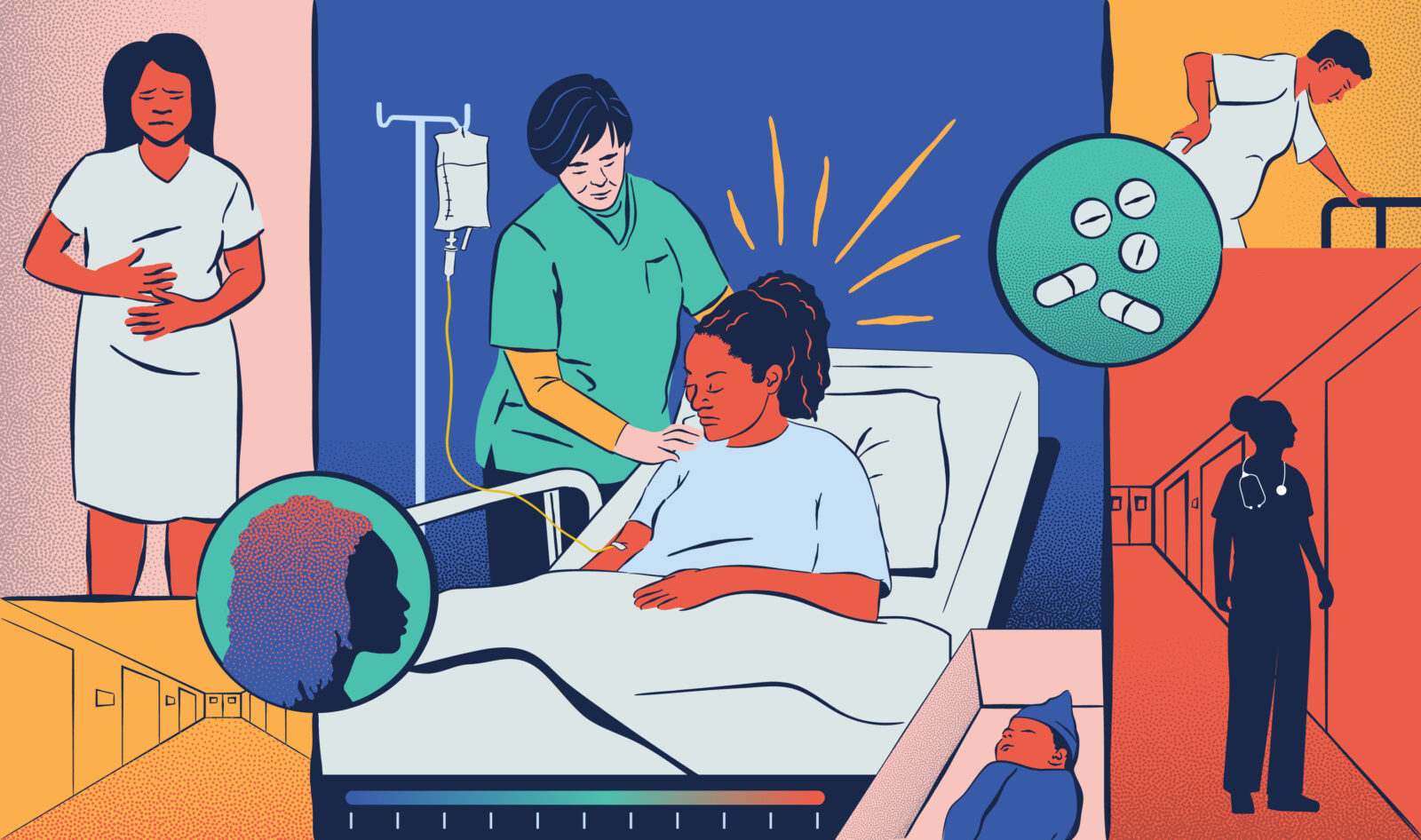
Inequities in postpartum pain evaluation and management are longstanding.
Black patients report more severe pain after birth compared to White patients. Yet, Black patients receive fewer pain assessments and fewer medications.
Poorly managed postpartum pain is a serious public health issue as it heightens the risk of depression, chronic pain, and undiagnosed, untreated life-threatening health conditions. Consequently, under-treated pain perpetuates longstanding perinatal health inequities.
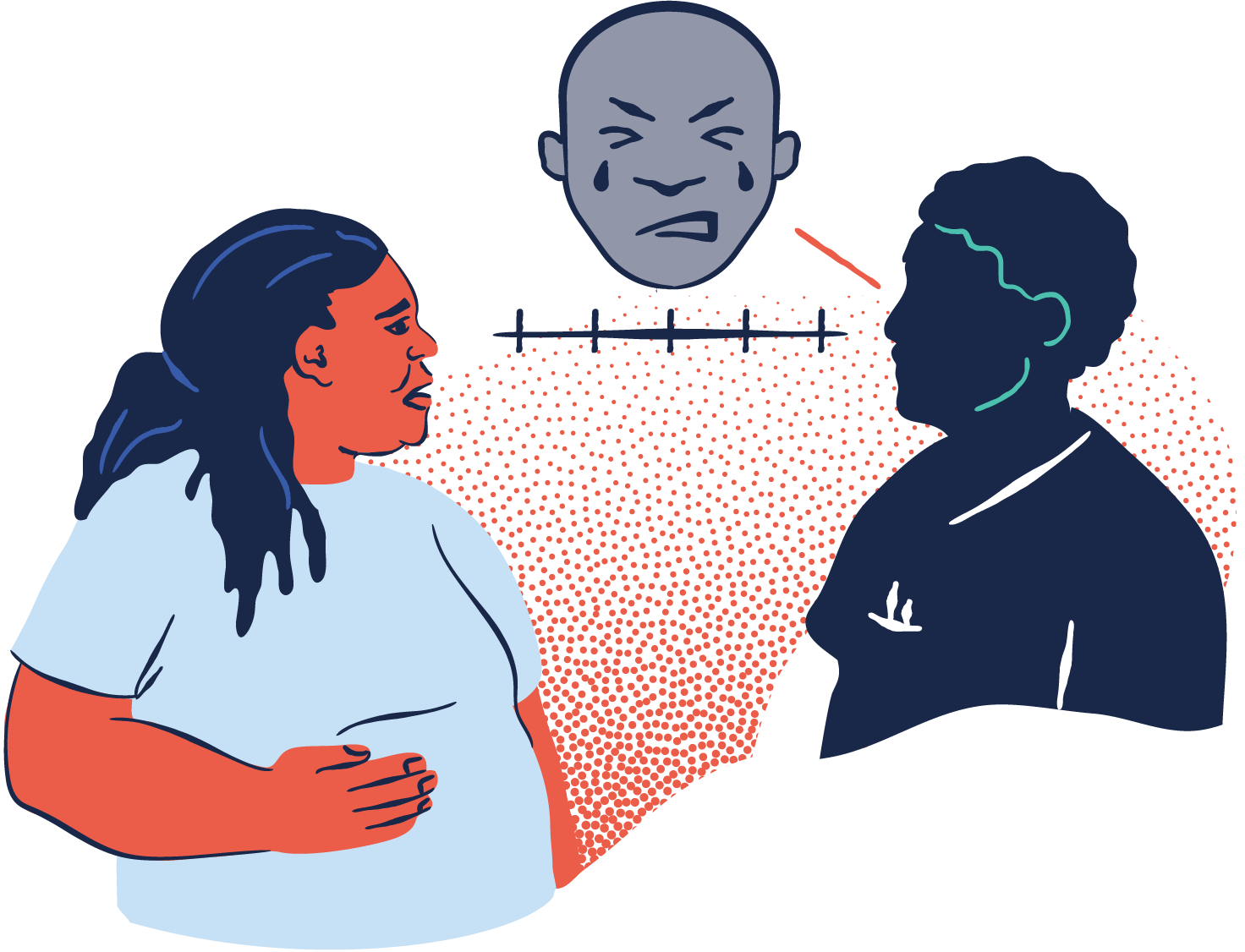
Clinical vignette studies theorize that clinicians who endorse false stereotypes about Black people (e.g., that Black people’s pain is less severe than White people’s pain) or are unable to easily recognize pain on Black patients’ faces may do a worse job than clinicians without such biases at diagnosing and treating Black patients’ pain.
Also, this research suggests clinicians who have spontaneous negative feelings toward Black people may do a worse job communicating with patients, gathering important diagnostic information, or earning Black patients’ trust.
However, researchers have yet to test these proposed mechanisms using data from real-world clinical settings. Further, there is little to no data about how clinicians themselves understand the role of racial bias in pain treatment. Without such knowledge, it will be difficult to develop evidence-based interventions to remedy racial inequities in postpartum pain evaluation and management. Our research seeks to fill this knowledge gap.


Principal Investigator
Tiffany Green, PhD
Co-Principal Investigator
India Anderson Carter, MD
Our Supporters & Partners
Research Status

Our team addresses the knowledge gap by examining whether and how clinician bias contributes to documented inequities in postpartum pain evaluation and management.
Despite being a primary theoretical explanation for inequities in postpartum health, establishing links between bias and postpartum pain outcomes has been largely prevented by data limitations. To overcome these obstacles, we are piloting a novel real-world data collection approach in a labor and delivery unit in Wisconsin.
Aim 1. Explore the relationship between clinicians’ biases and inequities in postpartum pain evaluation and management.
In summer 2026, we will be launching a clinician survey that will be matched with pain treatment outcomes.
Aim 2. Explore clinicians’ views on how biases influence pain evaluation and management processes among clinicians, in general.
After the analysis of the survey and health records, we will conduct one-on-one interviews with clinicians about their experiences and thoughts.


Our long-term goal is to develop interventions that reduce the prevalence of unmanaged postpartum pain among Black patients. Although our findings will be most applicable to Black patients, they will also provide important new information for future work on pain-related inequities among non-Black patients who also experience inequities – including Hispanic, indigenous, and other minority groups.
Where are the patient voices in this research?
We are working hard to obtain additional funding to include vital patient voices in this work.
If you are a funder who is interested in learning more, email us at reproequityactionlab@wisc.edu

Featured Resources

Implicit and explicit racial prejudice among medical professionals: Updated estimates from a population-based study
Demographic characteristics explained racialized prejudice among physicians, but not fully among non-physician healthcare workers.

Racial disparities in intrapartum care experiences and birth hospital characteristics
While all birthing people are entitled to person-centered care, in practice, Indigenous and Black birthing persons are more likely than their White counterparts to endure negative intrapartum experiences.

Rethinking bias to achieve maternal health equity: Changing organizations, not just individuals
In this article, we address the limitations of existing implicit bias interventions as a strategy for achieving maternal health equity.

Racial disparities in post-operative pain experience and treatment following cesarean birth
This study evaluated racial disparities in post-operative pain management following cesarean births, revealing that non-Hispanic Black and Hispanic birthing persons reported higher pain scores compared to non-Hispanic White counterparts.