The Reproductive Equity Action Lab (REAL) conducts rigorous and cutting-edge research that identifies key structural inequities that stand in the way of reproductive autonomy. We partner with community-based organizations, governmental agencies, and private sector decision makers to support evidence-based, transformative policies. We advance a more just and inclusive science by creating opportunities for the next generation of researchers, clinicians, and community leaders.
Our Research
Our portfolio of research spans the reproductive justice spectrum. Reproductive justice is the human right to maintain personal bodily autonomy, have children, not have children, and parent the children we have in safe and sustainable communities. We engage team science, mixed methods, and community in most of our projects to ensure both sustainability and impact.
Latest Updates from REAL
JULY 2026
Telehealth Is Not a Solution to the Abortion Crisis—It’s a Workaround
Klaira Lerma and Ellen Schenk of REAL discuss how Telehealth is just one kind of care—a useful and important one—in an underresourced ecosystem in a Rewire News Group piece.
JUNE 2026
How Does Access to Reproductive Health Care Vary Across States?
On June 24 (the anniversary of the Dobbs decision) the Reproductive Health Experiences and Access (RHEA) Study team released a batch of fact sheets on unmet need for reproductive health care in each of the 13 RHEA study states.
MARCH 2026
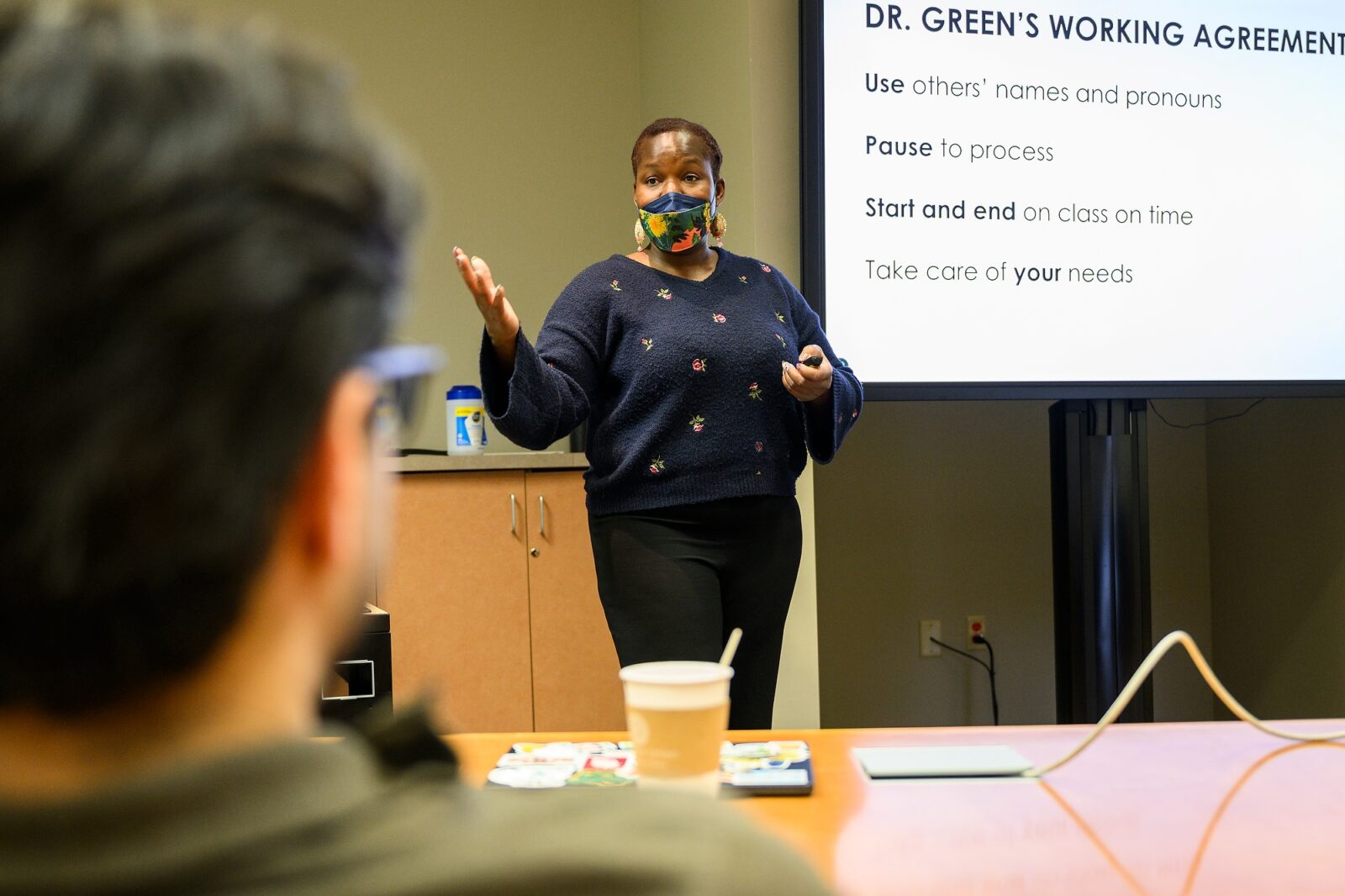
Dr. Tiffany Green, Director of REAL awarded UW Madison’s 2026 Chancellor’s Inclusive Excellence Teaching Award
Students come to Dr. Tiffany Green’s courses for information and insight into population health disparities that will enhance their training in obstetrics and gynecology; they often leave with a fundamentally different understanding of how medicine and public policy are not neutral systems, but human ones, shaped by history, power and choice.
Support Us
Invest in the Future of Reproductive Autonomy and Justice
Threats to reproductive health care are escalating faster than the evidence needed to protect access—especially for communities already facing the greatest barriers.