Black People’s Pregnancy Preferences Study (BoPPs)
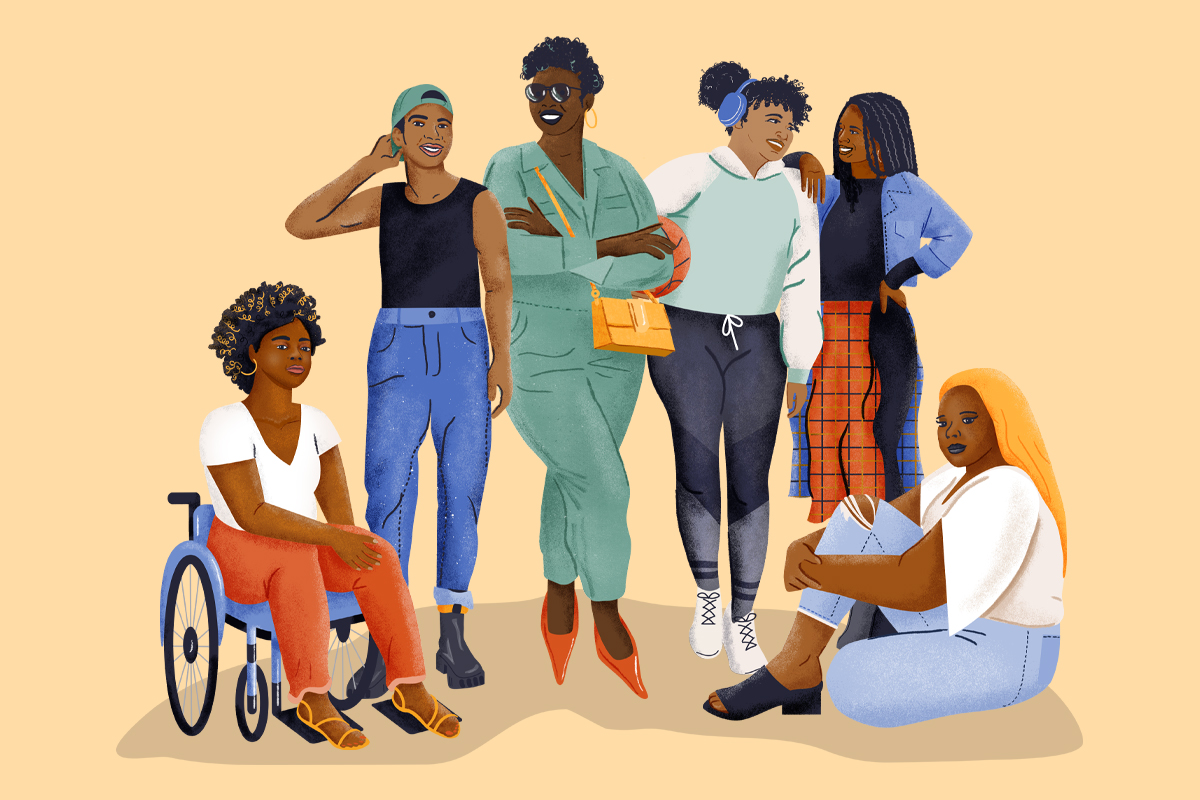
Black people in the US face persistent and disproportionate barriers to high-quality, person-centered abortion care compared with their White counterparts.
These barriers are rooted in systemic racism, structural inequities, and a healthcare system that fails to center the needs and preferences of Black communities.
Our work is driven by a straightforward yet powerful premise: if Black individuals can access high-quality abortion care aligned with their preferences, then scaling up this model of care will benefit both Black people and all abortion seekers.
…abortion should be free. It should be in [your home state]. It should be easily accessible. It should give you some options. It should be autonomous in nature. It should come with wraparound services. You should be able to say, ‘hey, I need an abortion, but also, I need food, housing, childcare.’
Featured Publications
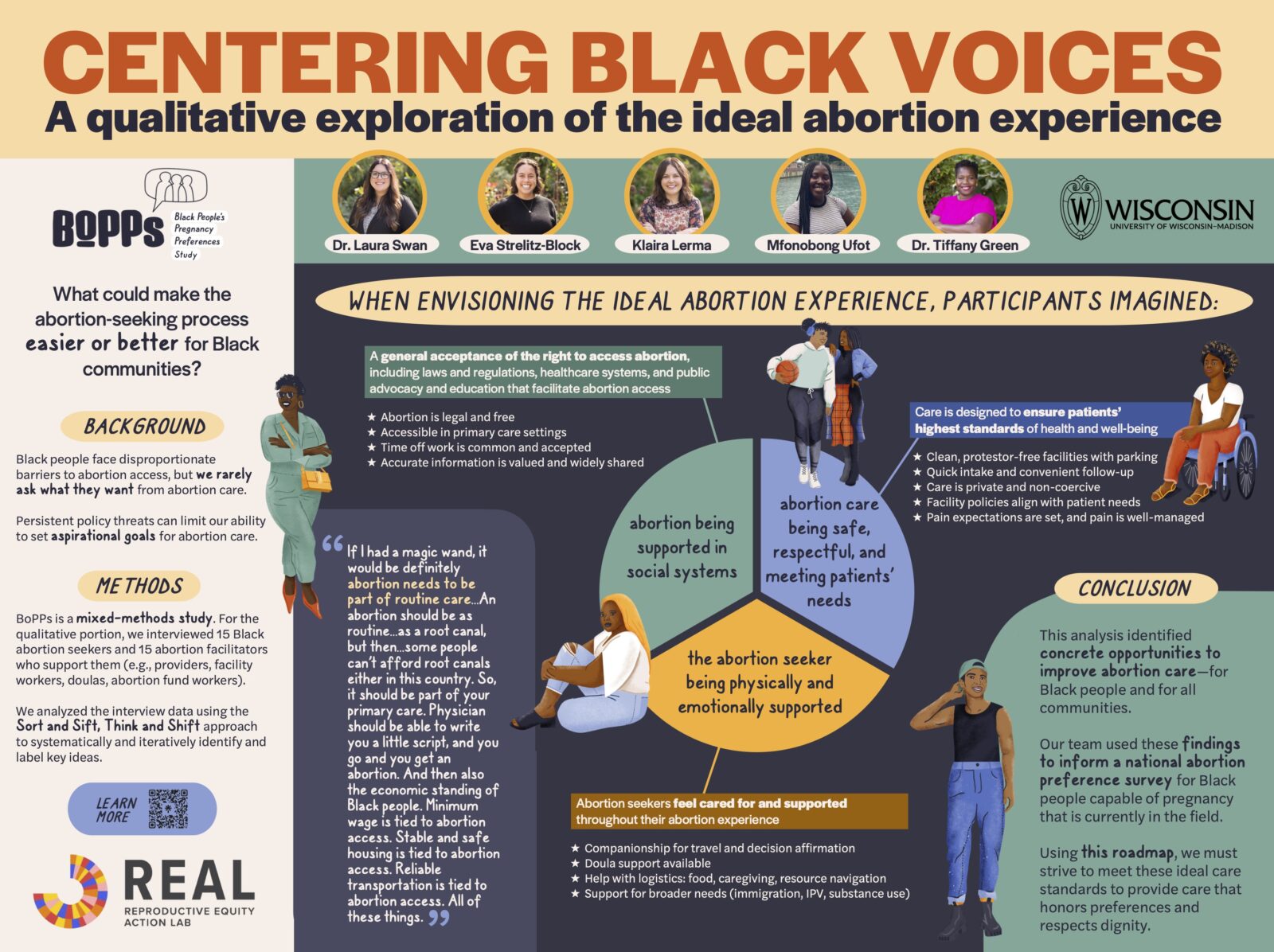
Centering Black Voices: A Qualitative Exploration of the Ideal Abortion Experience
We won a Best Poster Award at the 2025 Society of Family Planning Annual Meeting for this work!

Designing Person-Centered Abortion Care: What Matters Most to Patients
In the first of two blog posts, Dr. Tiffany Green explores what a truly person-centered approach to understanding abortion care in health services research might look like.

Harnessing Discrete Choice Experiments to Identify Abortion Patients’ Care Preferences
In the second of two blog posts, Dr. Tiffany Green explores a person-centered approach to abortion care through the lens of discrete choice experiments, a method that brings patients’ relative preferences to the forefront.
Research Status
In 2024, we completed data collection for the first phase of our study: Interviews with Black abortion seekers and those who support them and a survey with pregnancy-capable Black people.
Interviews
In 2024, we interviewed 15 people aged 20-38 who identified as Black and reported having an abortion in the last 5 years. We recruited participants with support from abortion clinics, abortion funds, and community based organizations. These participants were diverse in their backgrounds and abortion experiences.
We additionally spoke with 15 “abortion facilitators” who support people from Black communities access abortion. We defined abortion facilitators as abortion service delivery workers, abortion fund and practical support workers, doulas, and researchers.


Survey
From October-December 2025, we administered a survey for pregnancy-capable people who identify as Black or African American, are aged 15-45 years, and live in the United States. The survey will included 2,106 Black pregnancy-capable people; it will be sent electronically by a survey research firm (NORC at the University of Chicago), who ensured consent and compensation of participants. The survey centered on:
- Community priorities (grassroots advocates, abortion funds)
- Voices of abortion seekers and facilitators (interview data)
- Established data (prior research, available reports)
The survey included a discrete choice experiment (DCE) to help us understand what people prioritize when making decisions about abortion care. The DCE asked survey participants to make decisions based on racial and gender concordance with the healthcare provider, abortion type (medication or procedure) and appointment type (in person or telehealth), and length of the process (1-14 days).
A discrete choice experiment (DCE) is a type of survey researchers use to understand what people value when making decisions. Participants are shown different sets of options for things like health treatments (or products, or services) that vary in specific features (such as cost, convenience, or effectiveness). They are asked to choose their preferred option from each set, similar to how they might make choices in real life. By analyzing these choices, researchers can see which features matter most to people and how much they’re willing to trade off between them.
Dr. Green describes why this methodology is well suited for our research centered on Black people’s preferences in this blog post.
Concordance, in this case, is about “having the same identity”. We are curious how Black abortion seekers value having the same (or similar) identities as their healthcare provider, specific to race and gender.
Racial concordance, in this case, is when the patient and healthcare provider share the same race. Alike, gender concordance is when the patient and healthcare provider share the same gender.
Research shows that patients value shared race and gender in their healthcare provider. The benefits can include increased trust and communication, increased patient satisfaction, and improved health outcomes. Concordant care may address health disparities.
In addition to the discrete choice experiment and questions about the participant’s demographics, we include questions about their:
- General health status
- Healthcare access and preferences
- Abortion knowledge and stigma
In 2026, we started the next phase of our work, in which we will:
- Examine variation in Black individuals’ abortion care preferences across diverse demographic subpopulations (age, geography, nativity)
- Explore the perceived feasibility and sustainability of implementing Black-centered abortion care aligned with identified care preferences by conducting qualitative interviews with abortion facilitators
- Develop a framework for translating Black abortion seekers’ stated care preferences into actionable policy and practice recommendations for equitable, person-centered care delivery
Research Team
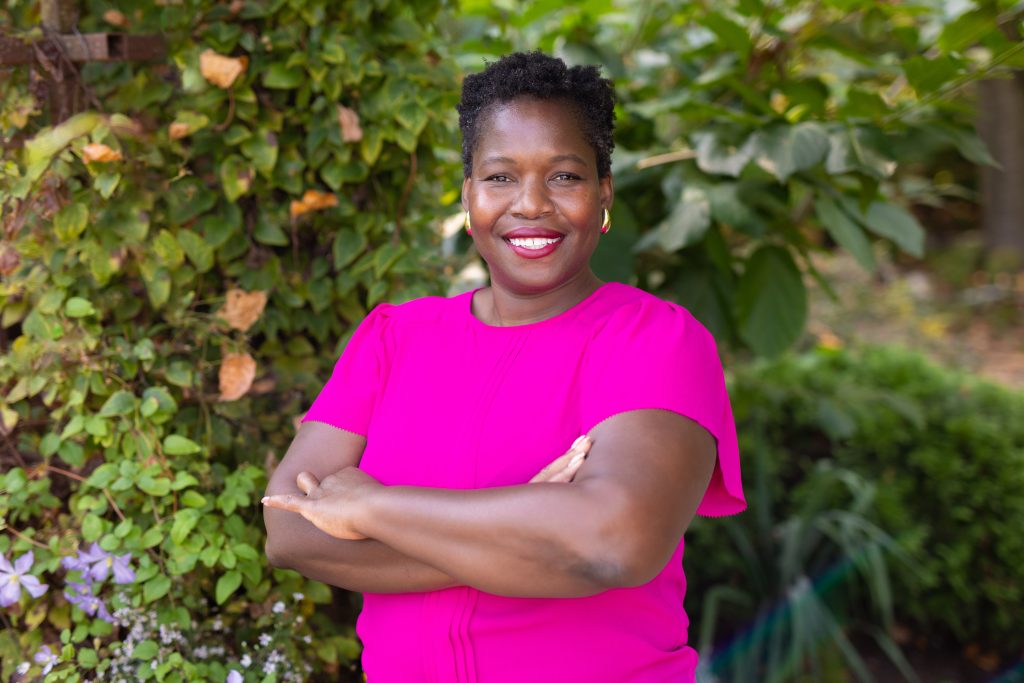
Additional research collaborators include Jessica (Ying) Cao, PhD (Assistant Professor of Population Health Sciences at the University of Wisconsin–Madison), Adrienne R. Ghorashi, Esq (Lead Law and Policy Analyst at Temple University’s Center for Public Health Law Research), and Mfonobong Ufot (Masters of Public Health Candidate at the UNC Gillings School of Global Public Health).
Acknowledgments: We offer our sincere thanks to the Black abortion seekers and facilitators, including clinical abortion providers, clinic support staff, doulas, abortion fund workers, and researchers, who shared their experiences with us, and to the academic and community partners whose support made this project possible.
Funding: This research was funded through the UW Collaborative for Reproductive Equity by an anonymous family foundation.
We are just getting started! We envision expanding this body of research to center Black peoples’ experiences and preferences around other components of reproductive health — including contraception, (in)fertility care, perinatal care, birth, and beyond.
If you are a funder or facilitator who is interested in learning more about our vision, email us at reproequityactionlab@wisc.edu